Animals & biodiversity
Animal biology and local ecosystems
Classification by observable traits, habitats, and evolutionary relationships, with age levels and study guides for classroom and home use.
Focal topics
Three ways to read an animal
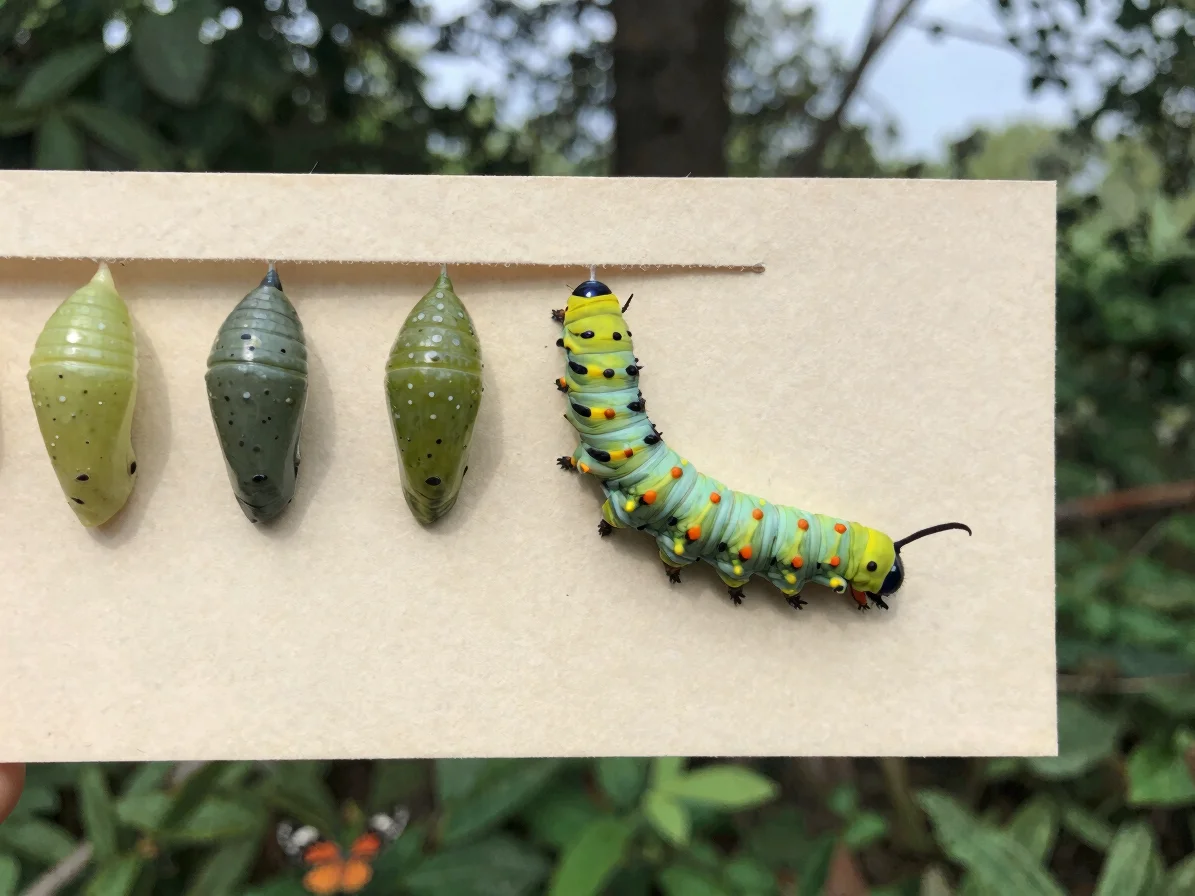
Insects
Insect metamorphosis
Compare egg, larva, pupa, and adult stages to see how one animal changes form across its life. Suited to ages 8 and up, with a hand lens and a notebook.
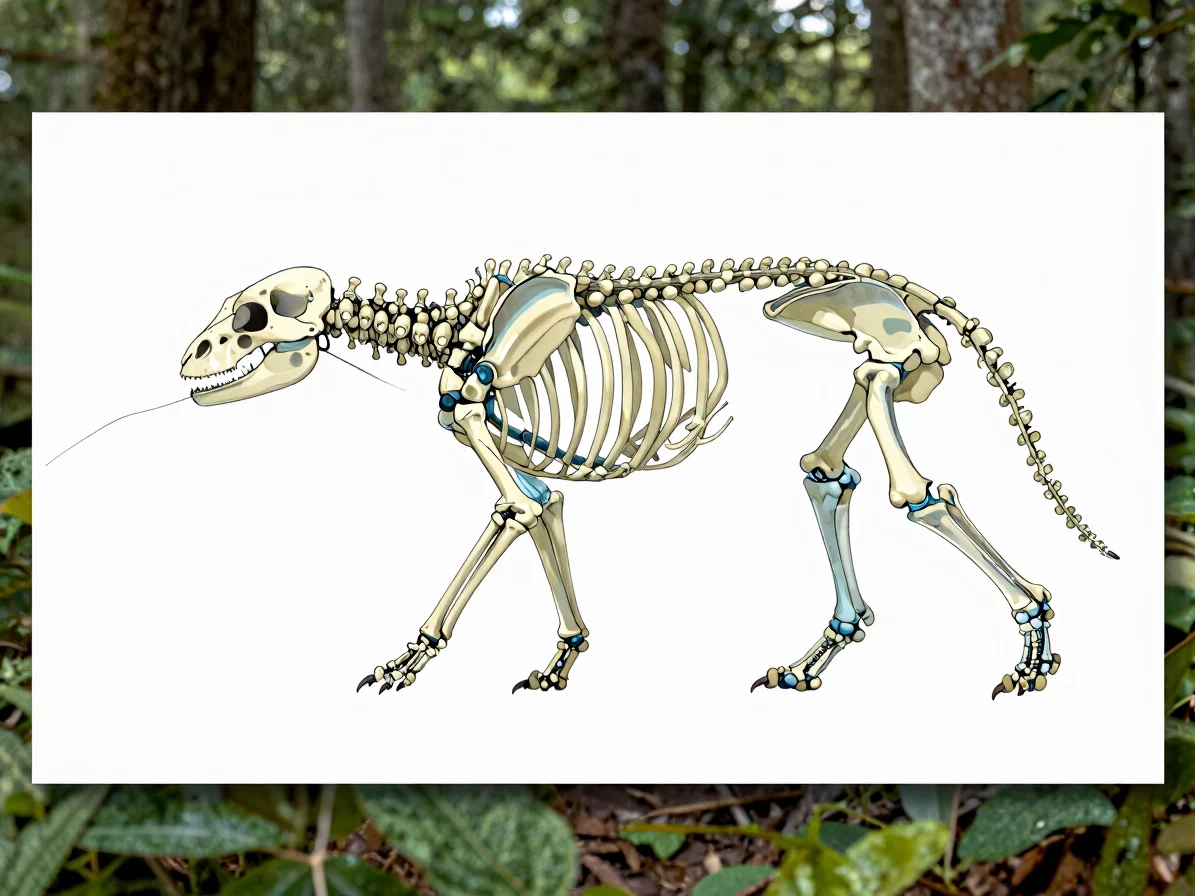
Vertebrates
Vertebrate skeletons
Compare the bones of a bird wing, a human arm, and a bat wing to discuss shared structure and different function. Suited to ages 11 and up, using printed skeleton diagrams.

Ecosystems
Predator and prey
Map how a predator population and its prey population change over time in a simple model. Suited to ages 14 and up, using a graph and a food web card.
Observation protocol
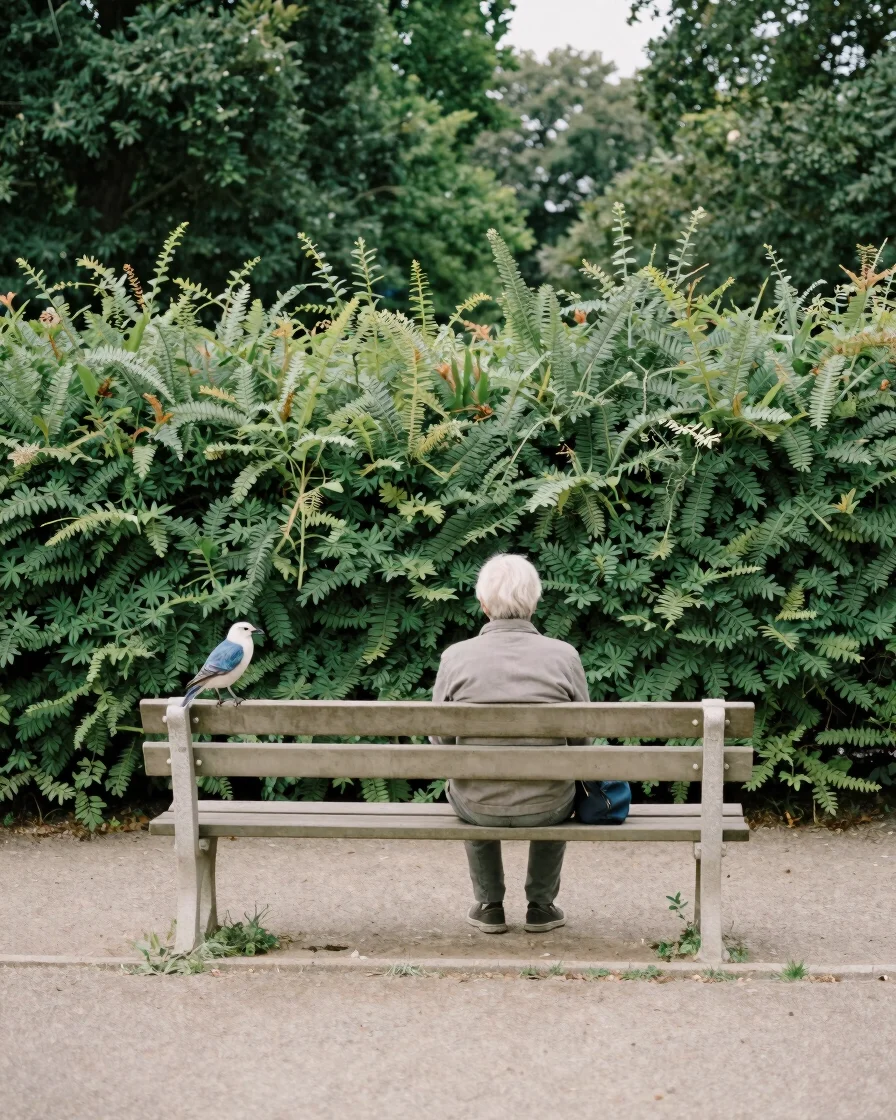
Watching wildlife without disturbing it
Non-invasive observation keeps the animal's routine intact. Choose a fixed spot at a safe distance, record time, weather, and behavior, and leave any nest, burrow, or shelter undisturbed. Schoolyards, city parks, and regional trails all offer usable study sites.
Never handle wild animals or move them to get a better view. Use binoculars or a camera with zoom, and keep each session short so the animal can return to normal activity.