
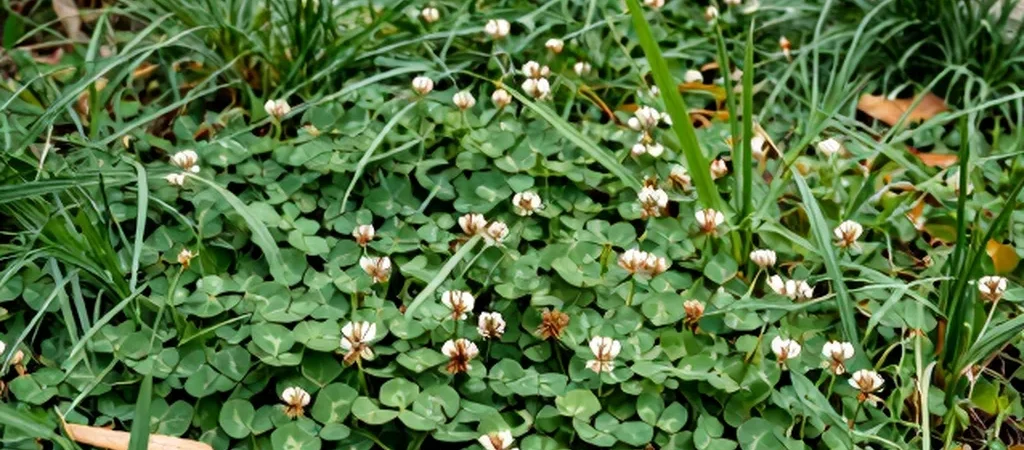
A schoolyard may look quiet until you choose one small area and give it your full attention. Ants crossing a crack, different leaf shapes, and birds calling from nearby trees are all observations—but they do not all tell you the same thing. Start with a clear question, such as which kinds of living things can be noticed in one square metre.
Choose a manageable question
For learners aged about eight and up, compare two spots: a patch of grass and the edge of a hedge, for example. You will need a notebook, a pencil, and a timer; a hand lens is useful but optional. Agree on the observation period and the area before comparing results.
Record what you can see
Describe organisms by visible features when you do not know their names: a small brown beetle, a five-petalled flower, or a bird with a pale chest. Keep separate notes for living things, signs of activity, and sounds, since a nest or a call is evidence of activity rather than a direct sighting. Leave animals and plants where they are.
Compare without overclaiming
A short observation is a snapshot, not a complete inventory of biodiversity. The weather, season, time of day, and observer all affect what is noticed, so record those details alongside the findings. Ask what might explain differences between the two spots, then mark those ideas as questions to investigate rather than conclusions.
Make the next visit useful
Return to the same area at another time of day or in a different season, using the same method. Learners can compare their notes and see whether a change in observations reflects the place, the conditions, or the way they looked. A careful record of what was—and was not—seen is a strong beginning for studying local biodiversity.